
 24/7 Emergency Service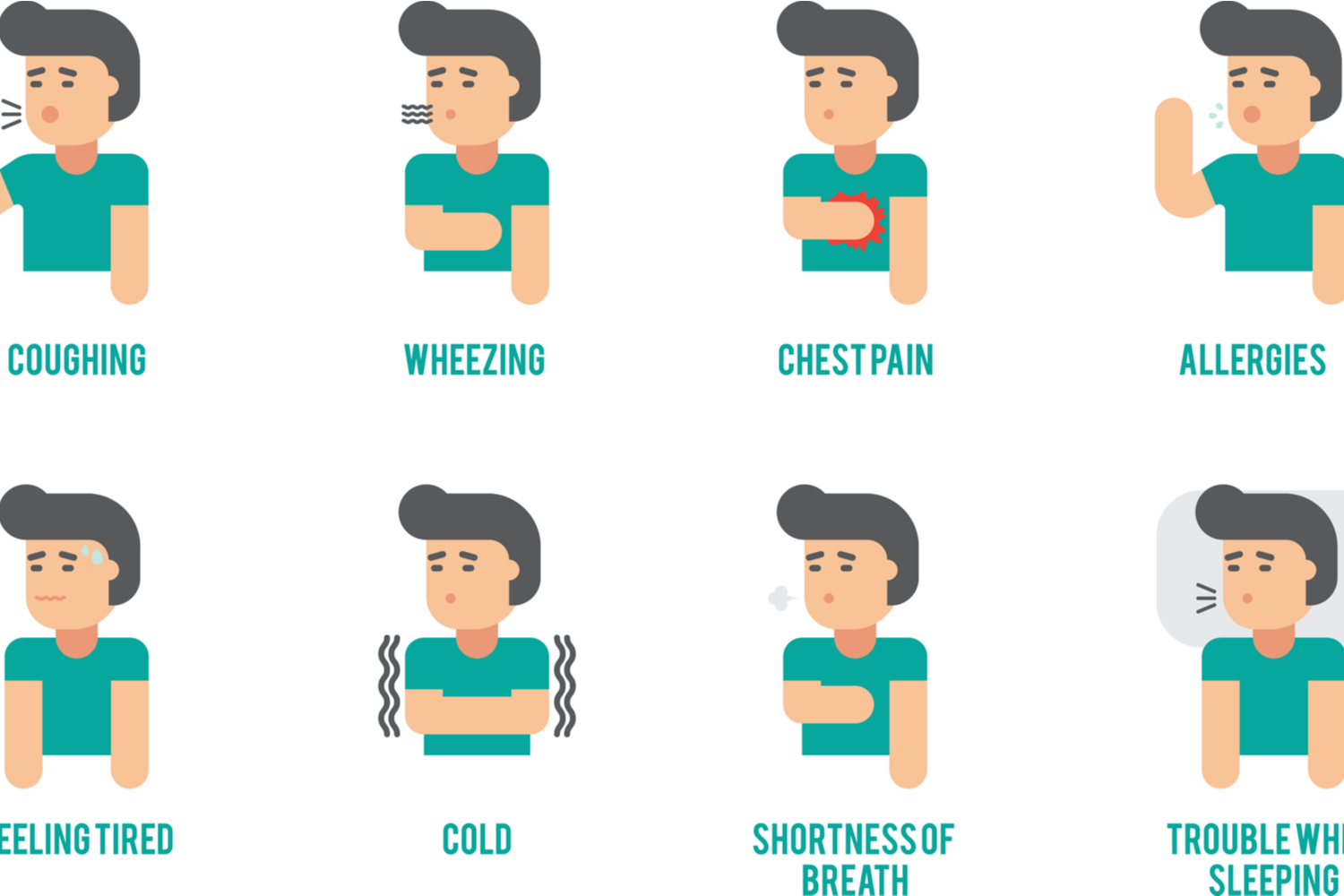
Asthma: Home Remedies That May Work
Between recognizing potential asthma triggers to managing the daily symptoms, living with asthma can be a real challenge for people who suffer with this health condition. The internet is filled with suggestions on how to relieve asthma symptoms. But do they really work?
More than 30% of adults have turned to complementary therapies or alternative medicines to relieve asthma-like symptoms. Before we take a more in-depth look at some of the top recommendations for relieving asthma, let’s review what exactly asthma is and what can cause many of the asthma-like symptoms.
Common Causes of Asthma Symptoms and Triggers
Asthma sufferers have first-hand knowledge of the problems that asthma can cause. The Mayo Clinic states that asthma is characterized by inflammation of the airways and defines the symptoms as follows:
- Difficulty breathing
- Shortness of breath
- Chest tightness or pain
- Coughing
- Wheezing
- Trouble sleeping
For some people, having asthma is a minor nuisance, for others it can be a major, even a life-threatening, problem.
The Centers for Disease Control and Prevention (CDC) provides the following list of common asthma triggers:
- Tobacco smoke or smoke in general
- Insects like dust mites or cockroaches
- Air pollution
- Pet dander
- Exposure to mold and pollen
- Respiratory infections
- High-humidity or cold, dry air
- Hyperventilation
Top Complimentary Therapies for Asthma
Breathing Exercises – Different breathing techniques including the Papworth Method, and the Buteyko Technique help the asthma sufferer focus on controlled breathing, which helps improve lung function and overall quality of life for the asthma sufferer.
Yoga – Yoga is a mind-body practice that often incorporates deep breathing exercise techniques. Practicing yoga can provide an improvement in quality of life but science has yet to determine if it actually improves lung function.
Turmeric Supplements – Turmeric is a Middle Eastern spice that is often claimed to be a natural remedy for asthma. It contains anti-inflammatory and antioxidant properties. Evidence is limited, some studies show a benefit, others no benefit at all.
Essential Oils – Care must be taken with essential oils, as they may actually be an asthma trigger due to their strong fragrances. Also some studies report that essential oils may be toxic if misused.
Honey – Honey works well as a cough suppressant, especially at night. Take two spoonfuls before bedtime, or mix the honey in a warm cup of water or tea. Science has yet to determine if honey really works for asthma sufferers.
The Bottom Line
Just because studies have yet to establish a definite benefit for these natural remedies doesn’t mean that these won’t help asthma sufferers. Individuals may react differently, and what works for some people may not work for others. Something that is being marketed as a natural remedy for asthma should always be approached with caution. Always consult with your doctor before making any changes in the way you treat your asthma problem.