
 24/7 Emergency Service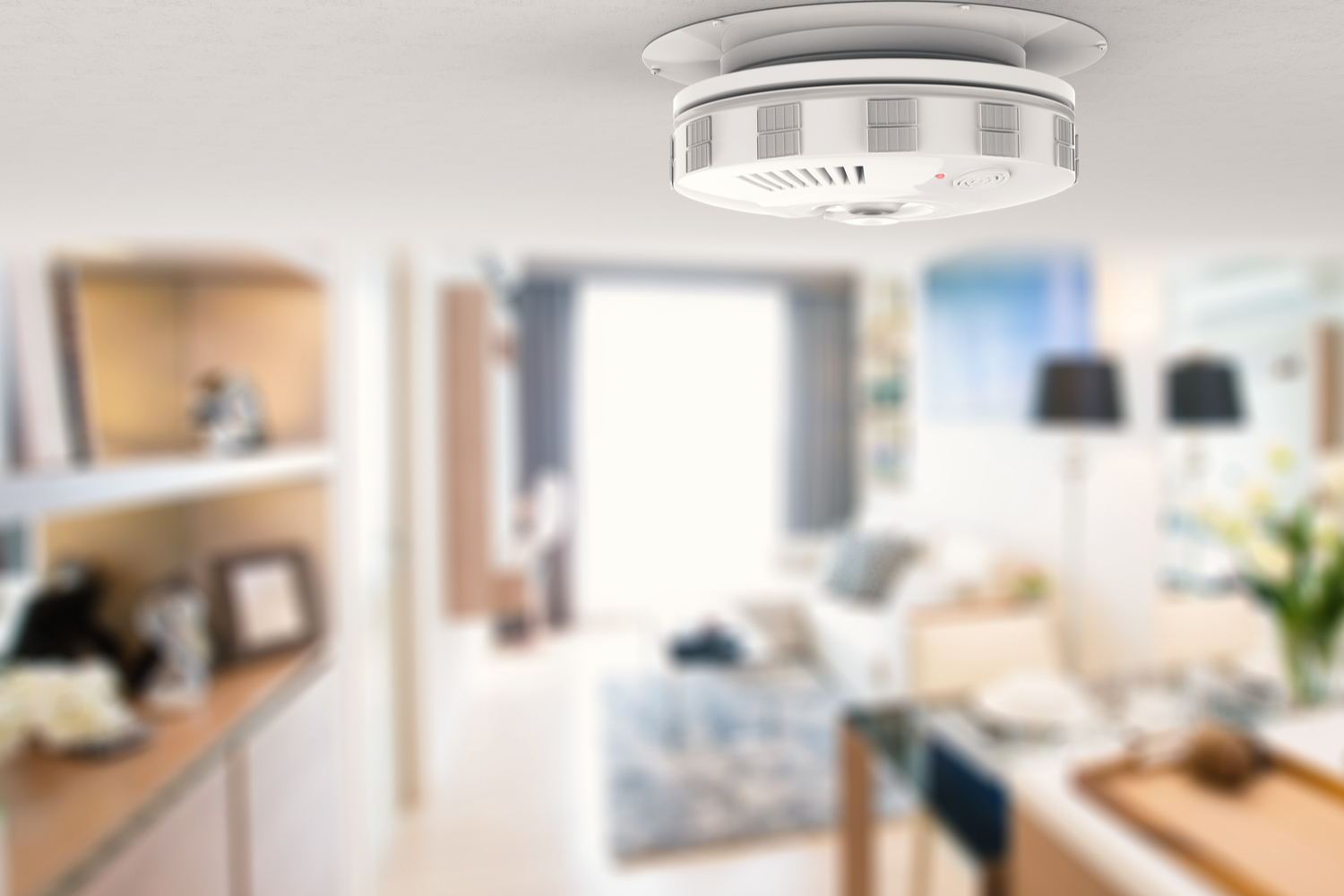
Carbon Monoxide: How Does This Silent Killer Get Into Your Home?
Not only is carbon dioxide deadly in large concentrations, it is colorless and odorless, making it virtually impossible for humans to detect. But how does it get into your home? Let’s explore some of the dangers of exposure to carbon monoxide and how it can be present in your home.
How Is Carbon Monoxide Formed?
Carbon Monoxide, CO, is formed by the incomplete combustion of fuels. These fuels can include things like wood, coal, propane, natural gas, and automobile gasoline. The gas CO is toxic when inhaled. It inhibits your body from effectively absorbing oxygen, resulting in possible tissue damage and, if the exposure is prolonged, eventually death.
According to the Centers for Disease Control and Prevention:
- 430 people die in the U.S. from accidental carbon monoxide poisoning every year.
- Also each year, on average, 50,000 people go to the emergency room due to accidental CO poisoning.
- Your body will replace oxygen in your blood with carbon monoxide.
- If you are sleeping, you can die without ever realizing that you are being poisoned.
Symptoms Associated With Carbon Monoxide Poisoning
Carbon monoxide poisoning occurs when carbon monoxide builds up in the bloodstream. Because the symptoms of CO poisoning are very similar to the flu, people often do not realize why they are becoming sick. The symptoms include:
- Headache
- General feelings of weakness or dizziness
- Nausea
- Shortness of breath
- Loss of mental clarity
- Loss of consciousness
- Irreversible brain damage
If any of these symptoms appear suddenly, get out of the area and into fresh air. If the symptoms begin to clear up quickly, carbon monoxide may be the cause of your illness.
Potential Sources of CO In Your Home
The incomplete burning of fuels creates carbon monoxide. Any appliance in your home that burns a fuel can be a source of carbon monoxide. Also, an engine running in a closed garage can be a source of CO build-up. Keep aware of these potential sources:
Fireplaces – A fireplace that burns gas, propane, or wood can cause carbon monoxide build-up. The smoke from the fireplace contains carbon monoxide. If the flue isn’t open or functioning improperly, CO could collect in the air that you breathe.
Stoves and Ovens – Gas stoves or ovens that are used without being properly vented can be a source. Always use a range hood that is vented to the outside while cooking or baking.
Appliances or HVACs – any appliance or heating system that burns a fuel can be a source of carbon monoxide. These would include furnaces, gas clothes dryers, water heaters, and space heaters
Cars and Trucks – Car exhaust contains carbon monoxide. Never leave a car engine running in a closed garage, even if it is detached from the home. Even if the vehicle is outside, make sure that the exhaust is not being directed into the garage. Walking into a garage that is filled with carbon monoxide can cause you to pass out without any warning.
Gas-Powered Equipment – These could include lawn mowers, generators, air compressors, etc. Never leave these tools running indoors or in an area that could allow their exhaust to be blown in through doors or windows.
People Who May be at Risk to CO Exposure
Carbon monoxide may be more dangerous to these groups of people:
- The Unborn. Fetal blood cells can absorb carbon monoxide quicker than an adult’s blood cells.
- Children. Young children breathe more rapidly than adults, making them more susceptible.
- Older Adults. Older people are more susceptible to brain damage from carbon monoxide poisoning.
- Individuals with Chronic Heart Disease. People suffering from breathing problems or anemia are more likely to be affected from carbon monoxide exposure.
Seven CO Poisoning Prevention Tips
1. Never use a gas stove or oven to heat a home.
2. Never leave a gasoline-powered engine (generator, pressure washer, etc.) running inside a garage or building, even if the doors and windows are open.
3. Never use a gas, propane, or charcoal grill indoors.
4. Never use a fuel-burning heater or lantern in an enclosed area.
5. Always make sure that a fireplace flue is open before lighting a fire.
6. Install a carbon monoxide detector on each level of your home.
7. If CO poisoning is suspected, seek medical help immediately.
Carbon monoxide is particularly dangerous because it has no color and no odor. By all means, install CO detectors in your home, they are not expensive. If you think you may have a carbon monoxide problem in your home, evacuate the home immediately and then call for help. The best people to contact are the gas company, your local fire department , or the local police department.