
 24/7 Emergency Service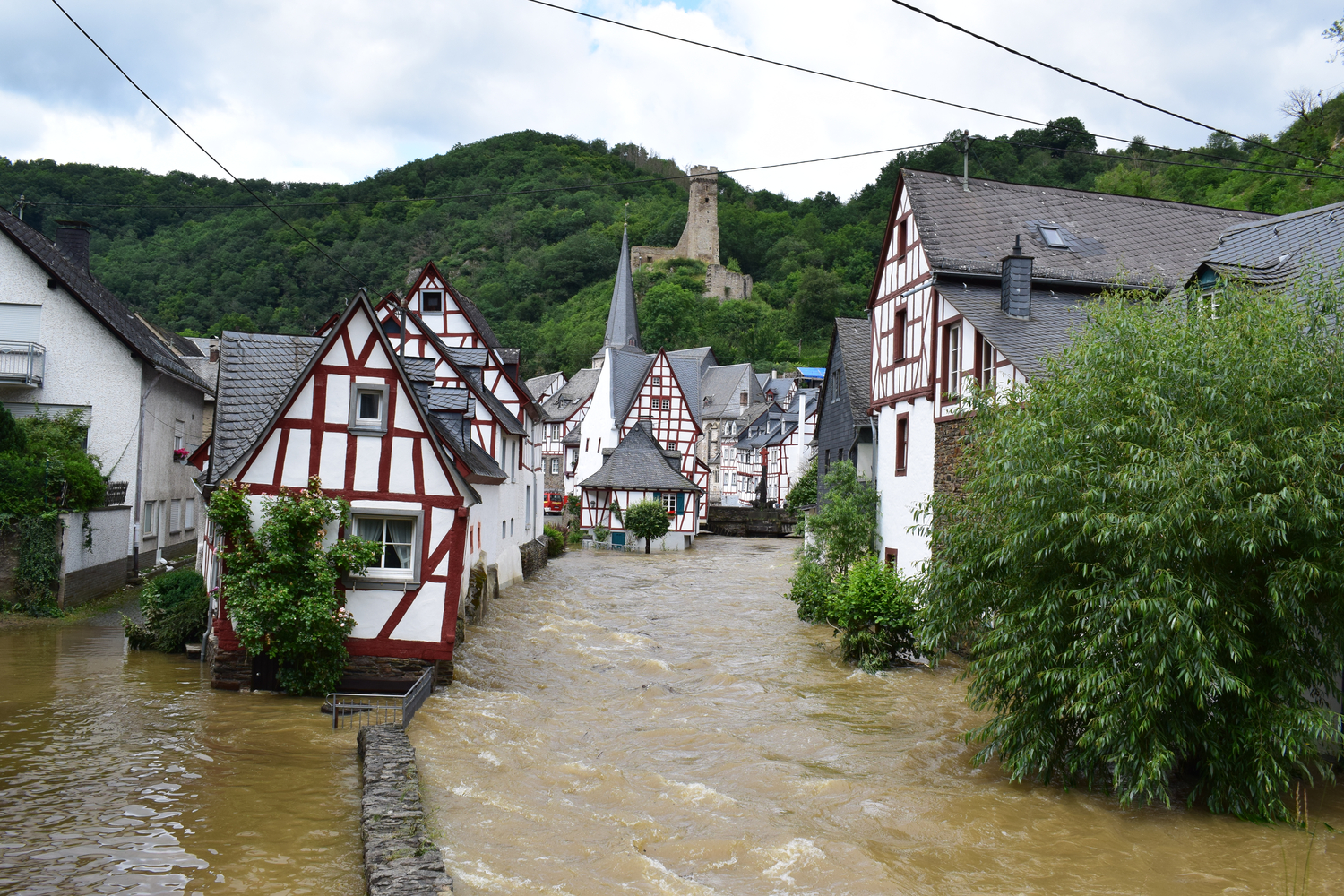
Home Cleanup After a Flood
After your home has been flooded by any natural disaster like a hurricane, a tornado, or rivers and streams overflowing their banks because of heavy rains, you can expect to find damage caused by mold or category 3, black water. Time is never on your side in these situations, the longer things remain wet, the worse the damage will be.
Mold can grow in as little as 24-48 hours, and water from rivers, streams or lakes (category 3 black water) is considered to be as unsanitary as raw sewage is. In fact, any water that flows across the ground and into your home is considered black water, because you can never be sure what the water may contain. It can contain dangerous fertilizers, pesticides, or other harmful chemicals. Flood cleanup is not for the DIY handyman or the faint-of-heart. Floodwaters can be, and are, a serious threat to your health and the health of your family and can be extremely damaging to your home.
Mold in Your Home is Always a Concern
In many disaster cases, electrical power can be off for hours or days. Damage to the area is usually wide spread and time is lost while waiting for clearance that it is safe to reenter your home. Mold often “moves in” before you are allowed to return. A mold infestation cannot be ignored or simply painted over. Mold has the potential to make anyone sick, especially if a person has known or unknown sensitivities to it.
Molds produce allergens. Inhaling or even touching mold or mold spores may cause allergic reactions. If you have sensitivities to mold and mold spores, your immune system will overreact in its effort to ward them off. Common signs of mold exposure are:
- Sneezing
- Runny or stuffy nose
- Coughing
- Wheezing
- Eye, nose, and throat irritation
- Skin rash
- Shortness of breath
What is Category 3 Black Water and What Dangers Does it Present?
In addition to sewage water, category 3 water includes any water that flows across the ground and into a structure. Category 3 water is water that is grossly contaminated and can contain things like silt, organic matter, pesticides, heavy metals, regulated materials, petroleum products, asbestos, or toxic organic substances. Category 3 water can harm people in many different ways:
Gastrointestinal illnesses
- Crohn’s disease
- Peptic ulcer disease
- Whipple disease
- Hepatitis
- Tetanus
Inhalation of pathogenic or toxigenic substances released into your home’s air
- Lung irritation
- Asthma
- COPD
- Cancer
Injury or infection of the skin from contacting the water
- E. Coli
- Salmonella
- Legionnaire’s disease
- Cryptosporidiosis (watery diarrhea)
When You First Reenter:
It’s always wise to return to your home during the day so that you can see without having to turn on any lights. If it is too dark to see safely, use battery-powered flashlights or lanterns only. Never use anything that requires a flame a flame, like candles of gas lanterns, as they could cause a gas explosion.
1. If there is standing water you should make sure that the power is off before entering the water. Never enter standing water to reach a power shut-off switch. If the power is out, go ahead and turn off the main breaker just in case the power would come on while you are standing in any water. Even if there is carpet, and it is soaked, it can be dangerous to be standing on it with the power on.
2. Have a professional inspect the home’s electrical system before restoring power.
3. If your home has natural gas or propane appliances, you may smell gas. If you do, turn off the main gas valve and evacuate the house. Don’t turn on any lights or anything that could cause a spark. Notify the fire or police department or the gas company. Stay out until one of these agencies tells you it is safe to return.
4. Expect for the home to be contaminated with mold or sewage, especially if it has been closed up for several days.
5. Throw away any food that may have come into contact with floodwaters or that have not been refrigerated properly due to the power being out.
Cleanup Procedures
Step one is personal protection. If you are planning to do any of the work yourself, you need to use the right protective equipment. Slip and fall injuries are the most common types of injuries in water-damage situations, so move slowly and carefully. Wear waterproof, disposable clothing, latex or rubber gloves and boots, safety goggles, and a respirator with N-95 cartridges (an ordinary dust mask won’t prevent dangerous airborne contaminants from being inhaled)
The next step is to remove as much standing water as possible. This can be accomplished with submersible pumps or water vacuums, like a shop vac. Restoration companies like Water Mold Fire Restoration have specialized equipment that can remove water much faster and more efficiently than you can on your own.
After removing as much water as possible, you need to determine what is wet and to what degree things are wet. Most porous materials that come into direct contact with floodwaters need to be properly disposed of. These would include, but not be limited to, carpeting (expensive natural-fiber carpets can be the exception), drywall, press-wood furniture, upholstered furniture, cardboard, documents and papers, etc. Some items not directly contacting the water may also be affected by second-hand damage due to increased humidity levels, things like photographs and artwork that are hanging on walls and curtains that may not have been touched by the water. Everything in the flooded area(s) should be checked for moisture content or secondary damage.
Never hesitate to discard personal items that have been affected by floodwaters. Clothing that can be laundered may be saved by washing them in hot water and detergent. Disinfectant cleaners can be used to clean other non-porous items like figurines and such.
Mold is a different problem to deal with. Medical science has already determined that mold can make sensitive people sick. Mold has to be removed from the home, not just killed and covered over with paint or sealants. Any structural materials that remain after the mold is removed need to be cleaned, dried back to acceptable moisture levels, and possibly sealed before any material replacement can be done. If drying isn’t done, any remaining moisture can be re-absorbed by the new materials and your mold problem can return.
Monitoring Air Quality
When removing mold or category 3 damaged materials, maintaining good air quality is important. Harmful contaminants (mold spores, bacteria, viruses, and other microorganisms) can become airborne, be inhaled by residents or workers, or be spread to previously uncontaminated areas of the home. The use of air scrubbers with HEPA filters is suggested to capture any particles that become airborne during the cleanup process. Many times erecting containment barriers to isolate affected areas is recommended.
Final Considerations
As stated earlier, floodwater cleanup can be a challenge for the DIY person. There are many dangers to be considered and cleanup efforts can be quite extensive and involved. At Water Mold Fire Restoration we have certified technicians, trained in disaster cleanup. Our emergency teams are available at all hours of the day or night, holidays included. We can be contacted at 800-905-0277 or by email at help@watermoldfire.net. There is no obligation and no charge for our initial inspection.