
 24/7 Emergency Service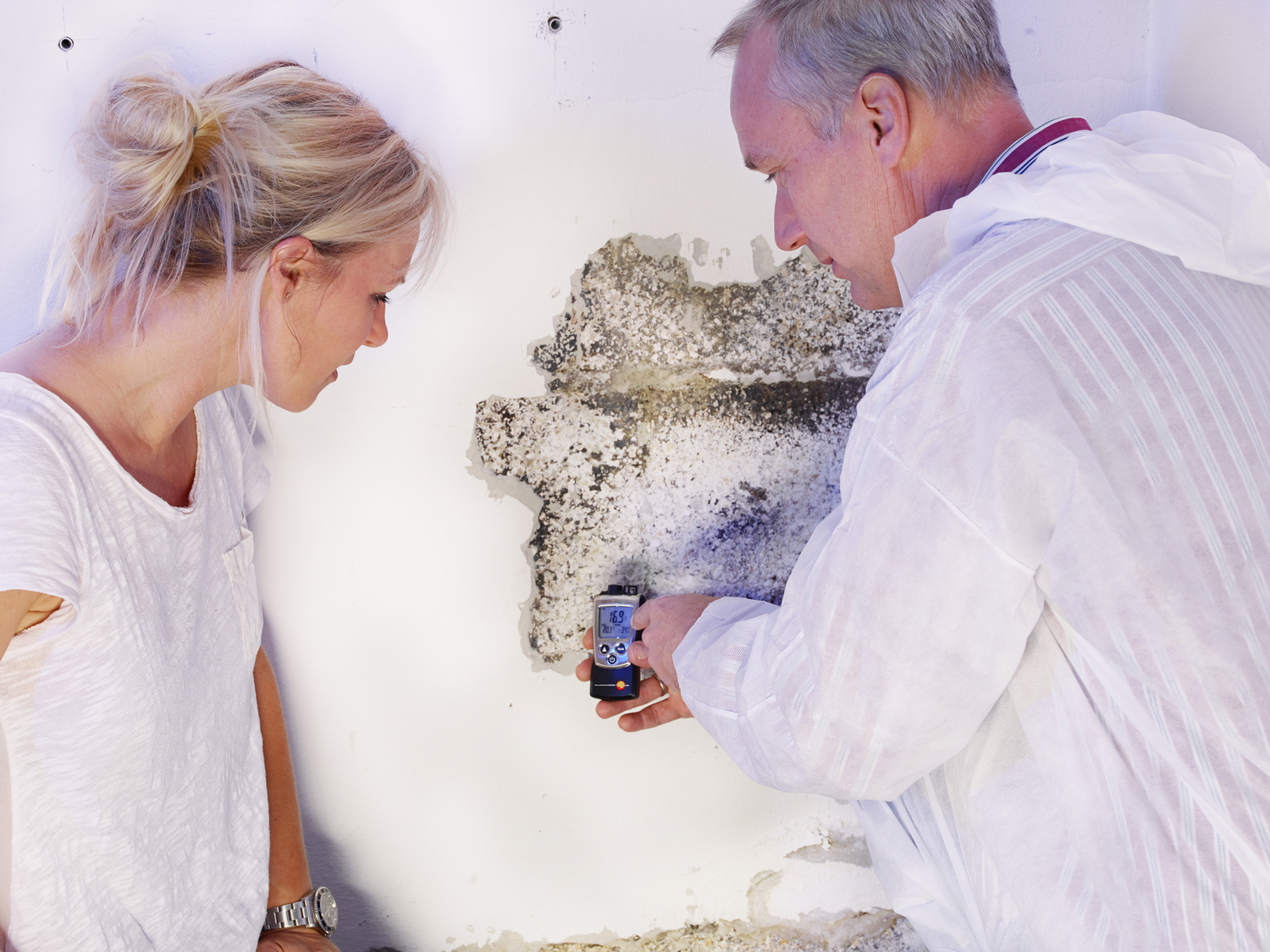
Finding mold in nature is very easy to do. Without extended training and a proper laboratory it can be difficult to indentify mold types. There are at least 1,000 different types of mold that are commonly found in the United States alone and well over 100,000 found worldwide. Not all mold is bad, some are used in medicine and food production (think Penicillin and blue cheese). That said, no matter what type of mold it is, Water Mold Fire Restoration wants you to realize that if it invades your home in any great amount, it can create problems, both structural and with your health.

Mold’s purpose is to break down biological material, both plant and animal. Without mold we would be up to our necks in dead dinosaurs among other things. Mold is a natural part of our environment and can be found everywhere, inside and out. There is, without a doubt, mold in your home as you read this. It is only when a mold colony begins to grow and expand in size that it can become a major problem.
There is currently no set standard or guideline that states at what levels that mold could be considered a problem. However, the general consensus is that the amount of mold inside your home should closely mirror what can be found outside your house. It can be slightly higher or, hopefully, a little lower. Here’s the bottom line: in your home ,mold should not be of a size that is visible.
Mold Dangers
Mold exposure has been known to cause allergic reactions and trigger respiratory diseases insensitive individuals such as asthma and hypersensitivity pneumonitis. Allergic reactions may include coughing, shortness of breath, skin rashes, watery eyes, and a runny nose.
Mold or Mildew
Is it mold or is it mildew; what’s the difference? They are similar yet distinct. They are both members of the fungi family. They both need moisture, they both need an organic food source, and they both grow on a variety of surfaces. Both mold and mildew can make sensitive individuals sick.
Mold usually grows in round spots and emits a musty smell. It can range in color from white, green, blue, brown, black or even gray. Mold is usually fuzzy or greasy feeling. Mold has a fungal structure called hyphae, or roots.
Mildew is a surface fungus. It is usually whitish to grayish in color. It is powdery or fluffy in texture and can usually be easily removed from surfaces.
Is the Mold I See Toxic or Not?
Declaring a type of mold to be “toxic” is a little misleading. The mold itself is not toxic, but the mold may produce mycotoxins that have a toxic affect on certain individuals. In fact, most mold mycotoxins are toxic in nature. There are also molds that are allergenic (capable of causing allergic reactions) and still others that are pathogenic (capable of causing disease).
Do you think it may be simpler if molds are called “dangerous” and “harmless”? When we enter into the discussion concerning toxic vs non-toxic and dangerous vs harmless, the question is, to whom? Very seldom does mold affect different individuals in the same way, especially when exposed over a prolonged period of time.
Identification Problems With DIY Mold Testing Kits
The in-home mold testing kits that you can purchase are controversial to say the least. Many people think the world of them but most mold experts feel that they are a waste of time and money.
Here are the problems surrounding DIY mold testing kits:
- How long have they been sitting on the shelf waiting for someone to buy them? The age of these kits brings into question their viability. There’s no expiration date on the packages. Are they therefore, reliable forever?
- Uncontrollable shipping and handling concerns challenge the results. You collect the sample. You ship it off through the mail (time lag?). Then the question becomes the reliability of the “lab” they are sent to (totally unregulated). How is your sample handled at the lab (processed quickly, left unattended and open to contamination)?
- Did you perform two tests, one outside or away from the suspected problem area and one in the suspected area? This second sample is the “control” sample. Only taking one sample will only tell you what may be present, but is it elevated or normal?
- Test kits don’t account for dead mold spores, only viable ones. Dead mold spores may not grow but they can still make you sick.
- There is no comprehensive inspection involved. Professionals employ many different tools when they do an inspection; moisture meters, hygrometers, infrared cameras, etc.
If a DIY testing kit makes you feel better because you are “taking action”, go ahead and buy one, use it, and send it off. But don’t bet your life or the life of your family on the those results alone.
Getting Rid of Mold
Whether you identify the mold through DIY testing or have the testing done by a professional, the bottom line is you need to have mold removed. If you are going to remove the mold yourself, it’s important to protect yourself. Wear protective clothing, gloves, eye goggles, and a N-95 rated facemask. A mold removal specialist knows the dangers of mold and will be suited up and protected against possible personal exposure.
When it comes to mold remediation, Water Mold Fire Restoration excels at it. We respond 24/7 and our initial inspection is free, without obligation. Our professional remediation teams will safely eliminate any mold from your home or business. Call us anytime at 800-905-0277. In addition to contacting us by phone, you can email us at help@watermoldfire.net. if you prefer.