
 24/7 Emergency Service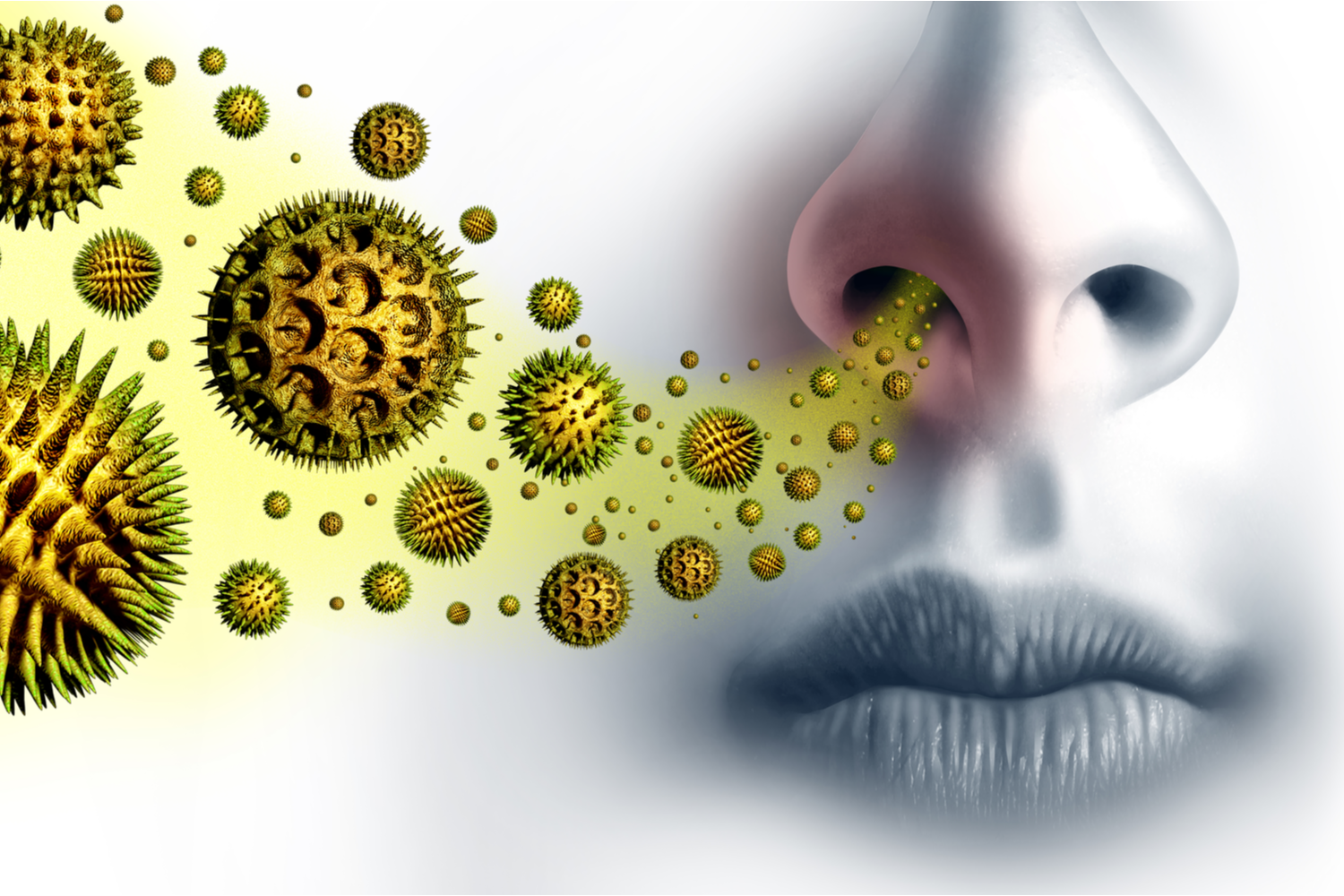
If You Suffer from Allergies Can You Still Have a Pet?
A pet can be a true friend and a comforting companion. A pet can keep you healthy and relieve stress. What could be better than to come home after a tough day at work and be greeted by a wagging tail. Or you finally collapse on the sofa only to be joined by a purring friend. That may sound good to many of us, but what if you suffer from pet allergies? Instead of that feeling of “it’s good to be home”, you start sneezing, your nose starts running, and you begin to cough. If you are one of these allergy sufferers, and that includes an estimated 15% of the U.S. population, is there a pet that you can own and enjoy that won’t cause your body to rebel?
The answer is a resounding… maybe. There are some pets that can qualify has “hypoallergenic pets”. You just have to look a little harder for them and rethink what can exactly be considered a pet.
What Can Qualify as a Hypoallergenic Pet?
Many allergy sufferers mistakenly think that if a pet is hairless or doesn’t shed, it must be okay for them to own. This is not necessarily true. All warm-blooded animals produce certain proteins that can be found in pet dander (dander is not the fur or hair of the pet, but the microscopic skin cells that flake off), pet saliva, and pet urine. These proteins are responsible for the allergic reactions in people sensitive to them.
Is There a Hypoallergenic Breed of Dog?
Sorry, there is no such thing as a hypoallergenic breed of dog. There are, however, several breeds that produce or release less allergens then others. These breeds could include but are not necessarily limited to:
- Kerry Blue Terrier
- Bichon Frise
- All sizes of Poodles (poodles don’t have fur, they have hair just like humans)
- Portuguese Water Dog
What About the Best Cat Breeds for Allergy Sufferers?
The sad fact is that cats are responsible for more allergies than any other domesticated animal. There are some breeds that are better for cat lovers that have pet allergies:
- Cornish Rex and Devon Rex – they groom themselves less
- Sphynx – because they are bald, they don’t shed any fur. They do have oily skin and require frequent baths (cats and water baths have never mixed well)
- Balinese – similar to a Siamese but they produce less of the proteins that cause allergic reactions
An interesting side note about cats:
- Dark-colored cats tend to produce more allergens than light-colored cats
- Males produce more allergens than neutered males
- Males produce more allergens than females
Rabbits
Rabbits can be tricky. Some will create no problems, others can be just as bad as cats and dogs. The key here is to stay away from longhaired rabbit breeds, like Angoras. A better choice would be the Rex breed. This breed has a low shed count because of the plushness of its fur
Fish
Fish can make a great pet for allergy sufferers. You can’t exactly hug them but they don’t release any allergens than will cause unhealthy reactions in sensitive people. A tropical fish aquarium can be a beautiful addition to any home
Small Mammals: Hamsters, Guinea Pigs, Etc.
Since they are kept in cages and are not free to roam the house, they are less likely to cause symptoms. You will still want to avoid close contact, because being warm blooded, they do produce the proteins that can aggravate allergies. There does come the time when their cages require cleaning and this may be where they could cause an allergic reaction.
Reptiles: Turtles, Iguanas, Etc.
Because they produce no dander, the chances of reptiles causing any allergic reactions are very small. What you have to be careful of is their cages. Consider the turtle, it needs moisture, which in turn could become a place where mold could grow. You will have to be extra careful with keeping their habitat clean and mold free.
Birds
Almost all birds have dander and allergens in their saliva or droppings. Cockatoos and Cockatiels are two of the worst choices when deciding on a bird species. They have a lot of “powder down” on their skin and feathers that can get into the air in your home.
Protect Your Home from Pet Dander
No amount of cleaning will completely eliminate all pet allergens. However, doing the things listed below will help keep those allergens to a minimum:
- Dust and vacuum you home more often
- Wipe down walls near any cages or pet habitats
- Wash pet beds or cages on a weekly basis
- Don’t allow pets in bedrooms or on beds
- Do not place cages or pet beds near supply or return vents
- Groom , or have your pet groomed, every couple of weeks
Before you rush out and purchase a pet, spend some time with it at your local pet store. That way you can see how your allergies will react before you become the pet owner. Owning a pet can be a challenge for an allergy sufferer, but it is not impossible if you do your research and simply apply a little common sense.
Article:
https://molekule.science/hypoallergenic-pets-for-people-with-allergies/