
 24/7 Emergency Service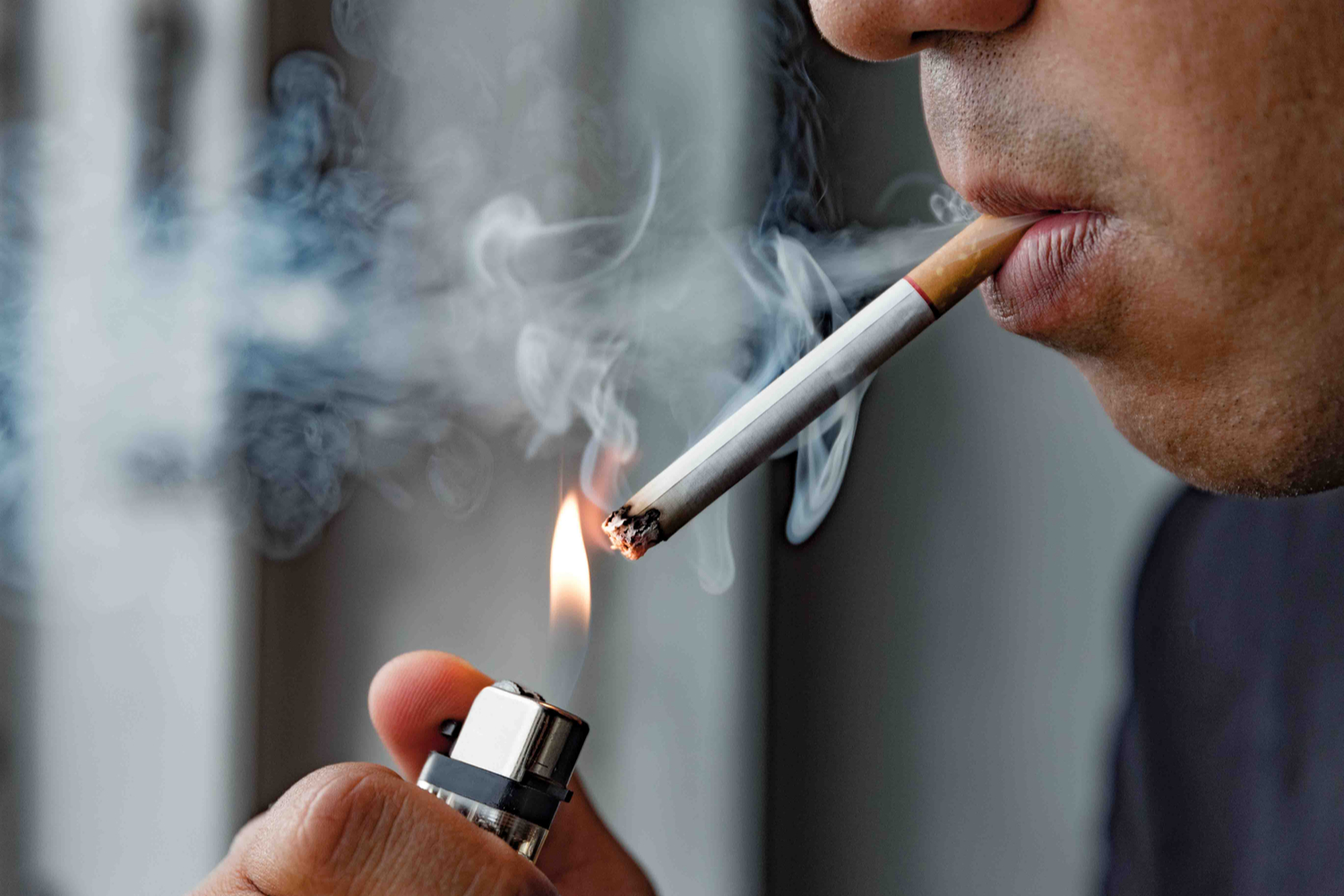
Tobacco Smoke: What It Gets Into and How to Remove It
The odor of tobacco smoke is very distinctive. The last thing many homeowners want is for their home to smell like cigarette or cigar smoke. For those of us who don’t smoke, the odor can be as unmistakably unpleasant as it is unhealthy. And it can be an odor that is extremely hard to eliminate.
What Exactly Is Contained in Tobacco Smoke?
Smoke from burning tobacco consists of both gases and particles. It can contain known carcinogens, arsenic, lead, cyanide, nicotine, and tar. It will cling to walls and ceilings and its gases can be absorbed into carpets, draperies, and fabrics.
Limiting Exposure to and the Effects of Second and Thirdhand Smoke
The number one way to avoid exposure to secondhand tobacco smoke is to stay away from the smoker. Secondhand smoke is the combination of the smoke from the burning end of a cigarette or cigar and the smoke breathed out by the actual smoker. Secondhand smoke contains as much as 7,000 different chemicals, of which about 70 are toxic.
CDC Secondhand Smoke Facts and Effects:
- Since the early 1960’s, 2.5 million nonsmokers have died from exposure to secondhand smoke.
- Smoking during pregnancy results in an estimated 1,000 infant deaths each year.
- Infants and small children exposed to secondhand smoke can experience more severe asthma attacks, respiratory infections, and sudden death syndrome (SIDS).
- Adult health risks include heart disease, stroke, and lung cancer.
- Secondhand smoke causes approximately 34,000 premature nonsmoker deaths each year in the U.S.
- Breathing secondhand smoke increases nonsmokers’ risk of developing heart disease by 25-30%.
- Secondhand smoke increases the risk of stoke by 20-30% and causes more than 8,000 deaths from stroke every year.
The ANRF and the Effects of Thirdhand Smoke
The American Nonsmokers Rights Foundation (ANRF) states that thirdhand smoke involves residual contamination that tobacco products leave behind. Leftover tobacco smoke may seem like it is only offensive to smell, but it also indicates the presence of tobacco toxins like nicotine and tar. These substance can off-gas their odors back into the air, where they can be inhaled, ingested, or absorbed and cause asthma and cancer.
Simple Methods to Remove Tobacco Smoke Odors
Simply put, you can’t get rid of the odors of tobacco smoke as long as someone continues to smoke indoors. Not only can you eliminate the smell of the smoke, it is possible to remove almost all of the smoke’s toxic effects. This can be done with basic products that you probably already have in your home:
Vinegar – Vinegar’s low pH alters the smoke molecules’ higher pH just enough to reduce their smell. And although vinegar has a strong odor itself, the smell will dissipate rather quickly. Place one or two small bowls of white vinegar in a room where the smoke odors are. It usually only takes one day to rid a room of the tobacco odor, or you may have to throw out the old vinegar and refill the bowls a second time. A vinegar solution can also be used to scrub down walls and other hard surfaces, as it will dissolve nicotine residue. If the tobacco smoke odor is really strong, you can place a pot of vinegar on the stove and allow the pot to simmer for several hours. The steam produced will tackle more intense tobacco smoke odors.
Baking Soda – Fill several small bowls with baking soda and set them around the room. Leave them in place for 24 hours. For carpets or upholstered furniture, you can sprinkle a thin layer of baking soda, let it dwell for at least 2 hours, and then vacuum it up. For books or decorative pieces, you can place ½ cup of baking soda in a large plastic garbage bag, place the smoke-damaged items in the bag and tie the bag shut. Let everything dwell for at least 8 hours before removing the items and dusting off the baking soda.
Activated Charcoal – The charcoal will “trap” the smoke and clear the air of the smoke odor. Most home improvement stores sell small burlap bags of activated charcoal. Set or hang several bags around a room, on top of damaged furniture, or directly on carpeting. Don’t open the bags because the charcoal could stain carpets or fabrics.
Professional Help May be Necessary
For severe tobacco smoke damage, in cases when an entire house may be affected, contacting a professional restoration company may be your wisest choice. At Water Mold Fire Restoration, we have technicians that are trained and certified as odor removal specialists. Sometimes stronger chemical and ozone treatments are required to eliminate tobacco smoke odors. Our technicians are able to treat walls, ceilings, furniture, carpeting, and hard-surface flooring. Contact us with any further questions you may have concerning the removal of tobacco smoke odor . We can be reached at 800-905-0277 or at help@watermoldfire.net any time, day or night.