Mold Remediation in Westchester
Fungal growth inside a building is an environmental issue that requires professional intervention. Left unaddressed, mold colonies will digest structural building components, ruin drywall assemblies, and release volatile organic compounds and airborne spores that compromise indoor air quality. Water Mold Fire Restoration of Westchester provides certified mold remediation and safe mold removal across Westchester County.
Operating under strict environmental standards and New York State mold regulations, our trained remediation teams handle microbial contamination in residential crawl spaces, attics, commercial ventilation networks, and residential basements. We combine physical isolation containment barriers, continuous HEPA-filtered air scrubbers, and detailed remediation protocols to eradicate mold colonies safely without contaminating unaffected areas of your property.
Indicators of Structural Fungal Colonization
Fungal growth frequently develops out of sight. In many Westchester estates and commercial properties, mold establishes itself behind insulation, underneath floor coverings, or inside finished wall cavities following unresolved moisture issues.
Property owners should look out for persistent musty or earthy odors, visual staining or spot discoloration along baseboards, bubbling paint, or recurring health updates like respiratory irritation among building occupants.
- Persistent musty, damp, or earthy odors
- Dark spotting or discoloration on drywall, ceilings, or structural wood
- Powdery white or dark green fungal matrices on basement foundation masonry
- Water stains or bubbling wallpaper along plumbing partition walls
- Efflorescence on concrete walls, which indicates moisture transmission
- Fungal growth inside HVAC supply vents and mixing plenums
Environmental Factors Contributing to Local Mold Growth
Despite cold winter conditions, Westchester properties encounter regular mold challenges due to seasonal climate shifts, high relative humidity in summer, and aging infrastructure. Towns along the Hudson River and Long Island Sound, such as Peekskill, Yonkers, and Rye, experience significant humidity spikes during summer. When humid air meets cooler subterranean basements, widespread condensation forms along cold foundation masonry and plumbing lines.
Additionally, historic homes throughout Westchester often feature limited attic ventilation and old stone basements. Poor airflow allows humidity to accumulate in uninsulated attics, causing wood surface condensation during the winter and leading to attic mold issues. If a property encounters a plumbing leak or roof leak that isn't quickly dried by commercial equipment, mold spores can establish colonies within 48 hours.
Our Multi-Stage Mold Remediation Process
Our containment and cleaning procedures follow rigorous industry standards to ensure long-term property protection.
1. Containment Barrier Isolation
We seal the remediation area using 6-mil poly sheeting and establish negative air pressure zones to prevent airborne cross-contamination into unaffected spaces.
2. HEPA Air Filtration
Industrial air scrubbers equipped with certified HEPA filters run continuously to capture airborne mold spores, particulates, and micro-fragments within the work area.
3. Controlled Source Removal
Severely contaminated porous materials, such as affected drywall or insulation, are carefully bagged and discarded. Non-porous and semi-porous wood surfaces are cleaned using specialized abrasive techniques.
4. Antimicrobial Sanitization & Encapsulation
We apply professional, EPA-registered antimicrobial solutions to eliminate remaining fungal structures and coat surfaces with a protective, mold-resistant coating to prevent future growth.
Professional Black Mold Remediation
Visible mold that appears dark or black is often associated with species like *Stachybotrys chartarum*, which thrives on materials with high cellulose content that have experienced long-term water exposure. Because disturbing these colonies can release high concentrations of spores and mycotoxins, standard consumer cleaning products like bleach are generally ineffective on porous surfaces. Our trained crews use specialized personal protective equipment, containment engineering, and professional source-removal techniques to ensure dangerous fungal varieties are safely eliminated from your property.
Frequently Asked Questions
Mold spores exist naturally in indoor and outdoor air; they require moisture to germinate and grow. Our remediation process effectively eliminates active indoor growth, but the underlying moisture issue—such as a roof leak or high humidity—must be corrected to prevent future outbreaks.
For minor or localized remediation projects, occupants can generally remain in the home, provided the work zone is properly isolated under negative pressure containment. For large-scale projects or when the HVAC system is affected, temporary relocation is often recommended for safety and convenience.
Schedule a Professional Remediation Evaluation
Address: 40 Bradford St, Hawthorne, NY 10532
Phone: 914-481-3938
 IICRC Certified Firm
 Satisfaction Guaranteed!
 24/7 Emergency Service
 Expert Technicians
 Direct Insurance Billing
 Unsurpassed Customer Service
 No Damage We Can’t Manage!
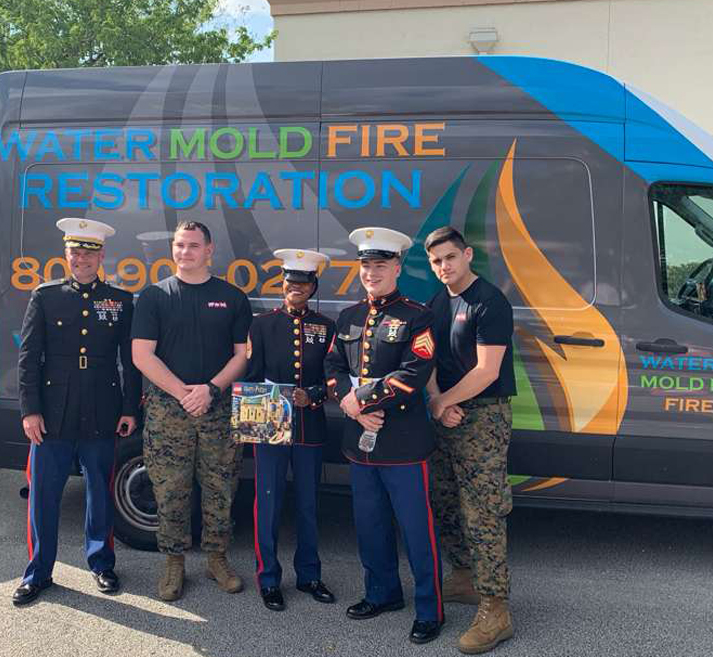
 Community & Military Support