24/7 Water Damage Restoration in Jersey City
When moisture saturates modern drywall, historic plaster, structural subfloors, or hardwood installations, it destabilizes structural materials and initiates systemic microbial breakdown within 24 to 48 hours. Water Mold Fire Restoration of Jersey City provides advanced, immediate emergency water extraction and moisture mitigation services across Jersey City and surrounding Hudson County urban sectors.
Our crews are specifically trained to handle emergency plumbing bursts, old structural slab failures, storm water intrusion, commercial appliance breaks, and critical sewage backflows. We provide institutional-grade water removal, structural thermodynamic drying, and precise moisture monitoring to restore structural safety quickly.
Professional 24/7 Commercial and Residential Water Extraction
A broken water main, an overflowing apartment toilet three floors up, or a flooded mechanical basement can compromise an entire building overnight. Our team responds instantly with industrial sub-surface water extractors, high-volume air movers, and low-grain refrigerant dehumidifiers to lower indoor relative humidity and pull bound water out of dense building assemblies.
Uncontrolled water spreads laterally and vertically through gravity paths. Our technicians utilize non-invasive infrared cameras and thermal imaging to visualize migration patterns through walls and ceilings, ensuring no hidden water pockets remain behind plaster, under flooring, or within insulation cavities.
- Emergency high-capacity water extraction
- Sub-floor and crawl space water pump-outs
- Historic masonry basement flood cleaning
- Multi-family main line sewage backup sanitization
- Burst hydronic heating loop and pipe cleanup
- Structural dehumidification and climate stabilization
- Thermal imaging leak migration mapping
- Contaminated structural material tear-outs
Common Local Triggers for Water Damage in Jersey City
Jersey City properties present a complex intersection of historic infrastructural vulnerabilities and dense urban building layouts. In neighborhoods like Downtown Jersey City, Hamilton Park, and Bergen-Lafayette, aging subterranean cast-iron and galvanized steel main line pipes are highly susceptible to sudden pressure fractures and scale deterioration, often flooding historic cellars.
Up in The Heights and near Journal Square, older wood-frame homes and multi-family structures frequently experience deep wall leaks due to failed external building flashing and aged masonry seals during seasonal Atlantic storms and sub-zero winter freeze cycles. Meanwhile, the coastal luxury high-rises and commercial office developments along Exchange Place and Newport deal with localized vertical pipe loop bursts, multi-floor appliance supply line ruptures, and flat roof drainage assembly blockages that can drop thousands of gallons through sequential ceiling layers.
Our Step-by-Step Structural Water Restoration Protocol
1. Comprehensive Damage Profiling and Source Verification
We inspect the space using specialized diagnostic equipment to determine the classification and category of water intrusion (ranging from clean supply lines to highly dangerous Category 3 raw sewage blackwater), mapping out the complete boundary of structural dampness.
2. High-Volume Mechanical Water Removal
Utilizing truck-mounted and heavy-duty portable extraction units, we clear out standing water from flooring assemblies, rugs, and concrete basements to prevent extensive deep-saturation damage.
3. Controlled Deconstruction of Non-Salvageable Materials
When materials like porous insulation, saturated acoustic tiles, or sagging drywall are contaminated or structurally compromised, we execute clean, precision cuts to open up wall cavities and allow air to reach damp interior studs.
4. Thermodynamic Structural Drying and Airflow Setup
We position industrial centrifugal air movers to sweep rapid currents across surfaces, alongside high-capacity industrial dehumidifiers to strip evaporated water vapor out of the air, checking wood and concrete moisture levels daily against clean dry-standards.
5. Institutional Disinfection and Biological Sanitation
All affected structural elements are treated with EPA-registered biocide and antimicrobial solutions to eradicate environmental bacteria, prevent mold spore development, and thoroughly neutralize organic odors.
Commercial Property Water Mitigation Specialists
Water damage in office environments, distribution facilities, storefronts, and multi-tenant apartment blocks requires tight logistics to protect business continuity, safeguard electronic infrastructure, and maintain regulatory health compliance. Water Mold Fire Restoration of Jersey City coordinates directly with facility engineers, asset managers, and corporate stakeholders to rapidly contain internal flood zones, minimize downtime, and execute safe off-hours drying routines.
Mitigating Mold Proliferation Risks Post-Flood
Any delayed mitigation response or incomplete structural drying leaves trapped moisture reservoirs within wall voids, providing an ideal habitat for destructive mold growth. Our rigorous water extraction and thermodynamic drying protocols are designed from the ground up to prevent environmental mold outbreaks before they start. If fungal growth is already visible, our team can seamlessly pivot to provide authorized mold remediation services and certified mold inspection testing profiles.
Streamlined Insurance Documentation Support
Navigating insurance claims in the wake of an unexpected flood can be overwhelming. We capture clear photographic records of all impacted areas, record detailed psychological moisture readings, compile transparent dry-logs, and present itemized digital reporting to clear up bottlenecks and help streamline your property insurance claim process.
Frequently Asked Questions
Most standard property drying operations take between 3 and 5 days, depending on material densities (such as thick plaster vs. modern drywall), the volume of bound moisture, and whether concrete slabs or structural timbers are involved.
Sewage backup coverage often requires a specific policy rider or endorsement separate from standard structural peril clauses. We recommend reviewing your policy documents with your agent while we generate the required mitigation reports.
Subterranean water pumping requires careful monitoring. Pumping water out of a basement too quickly while the surrounding exterior soils are oversaturated can create massive hydrostatic pressure imbalances, resulting in structural foundation wall cracks or catastrophic basement floor heaving.
Contact Our Jersey City Water Restoration Team
Address: 100 Paterson Plank Rd, Jersey City, NJ 07307
Phone: 201-528-3997
 IICRC Certified Firm
 Satisfaction Guaranteed!
 24/7 Emergency Service
 Expert Technicians
 Direct Insurance Billing
 Unsurpassed Customer Service
 No Damage We Can’t Manage!
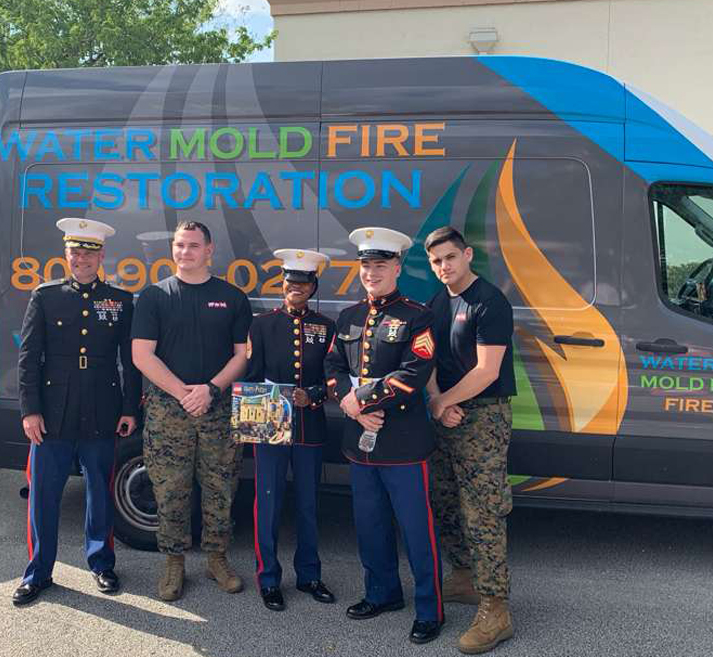
 Community & Military Support