24/7 Water Damage & Flood Cleanup for Nashville Homes & Businesses
Water damage in Nashville arrives from a Middle Tennessee mix of catastrophic flooding, recurring severe weather and the interior plumbing failures common to any humid-climate market. The defining event remains the May 2010 Nashville Flood — 13+ inches of rain in 48 hours, Cumberland River cresting at 51.86 feet, downtown / Music Row / Bellevue / Antioch inundated, $2 billion+ in damage, the most catastrophic flood event in Nashville history. The March 2020 Nashville tornado outbreak tracked through North Nashville, Germantown, East Nashville, Donelson, Hermitage and Mt. Juliet during overnight hours. March 2023 brought another deadly tornado event. February 2021 Winter Storm Uri produced regional power-grid stress and frozen-pipe-burst waves alongside Texas. Severe summer thunderstorms regularly overwhelm older intown sewer infrastructure. Water Mold Fire Restoration of Nashville handles all of it — IICRC Firm Certified, dispatched 24/7 from our South Nashville facility.
The Nashville Conditions That Drive Most Water Losses
- Cumberland River flooding. May 2010 catastrophic flood remains the benchmark. Recurring smaller events affect Bellevue, Antioch, downtown waterfront, Cumberland-corridor properties.
- Tornado-driven water intrusion. March 2020 Nashville outbreak, March 2023 events. Envelope damage admits wind-driven rain for weeks after each event.
- Frozen pipe bursts. Feb 2021 Winter Storm Uri, Feb 2015 ice events fail uninsulated plumbing in homes less prepared for sustained sub-freezing.
- Severe summer thunderstorm sewer backups. Older East Nashville, North Nashville, downtown sewer infrastructure overflows.
- Harpeth River flooding. Williamson County and West Nashville properties along the Harpeth corridor.
- A/C condensate overflows. Long Nashville cooling season produces constant condensate.
- Slab leaks in pre-1990 stock. Older intown and suburban single-family.
- Pre-WWII Nashville stock plumbing failures. East Nashville, 12 South, Germantown bungalows with original galvanized and cast-iron systems.
Our Water Damage Restoration Process
- Emergency response and assessment with thermal imaging.
- Water extraction. Cat 3 sewer-backup losses get full PPE.
- Structural drying and dehumidification.
- Antimicrobial treatment.
- Daily monitoring and documentation.
- Reconstruction. Metro Nashville Codes and Building Safety or relevant municipal permitting.
Where We Respond in Nashville & the Metro
East Nashville, North Nashville, Germantown, Downtown, The Gulch, SoBro, 12 South, Belmont, Hillsboro Village, Green Hills, Forest Hills, Belle Meade, Berry Hill, Wedgewood-Houston, Crieve Hall, Antioch, Bellevue, Hermitage, Donelson, Madison, Goodlettsville, Sylvan Park, The Nations, Williamson County (Franklin, Brentwood, Nolensville), Rutherford County (Murfreesboro, Smyrna), Sumner County (Hendersonville), Wilson County (Mt. Juliet).
Nashville Water Damage Restoration FAQs
60-minute target arrival across Davidson County and the metro.
13+ inches of rain in 48 hours, Cumberland crested at 51.86 feet, $2B+ damage. Most catastrophic flood in Nashville history. Reference event for major flooding response.
Sudden/accidental covered under standard HO-3. Sewer backup requires endorsement. Surface flooding requires NFIP/private flood.
Yes. March 2020 Nashville outbreak, March 2023 events. Envelope damage admits wind-driven rain after the storm.
Call the restoration company first. TN policies require mitigation; mold colonizes in 24-48 hours.
Call Nashville's Water Damage Restoration Team
Water Mold Fire Restoration of NashvilleNashville, TN 37211
615-200-6875 · nashville@watermoldfire.net
24/7 Emergency Service
← Back to all Nashville restoration services
 IICRC Certified Firm
 Satisfaction Guaranteed!
 24/7 Emergency Service
 Expert Technicians
 Direct Insurance Billing
 Unsurpassed Customer Service
 No Damage We Can’t Manage!
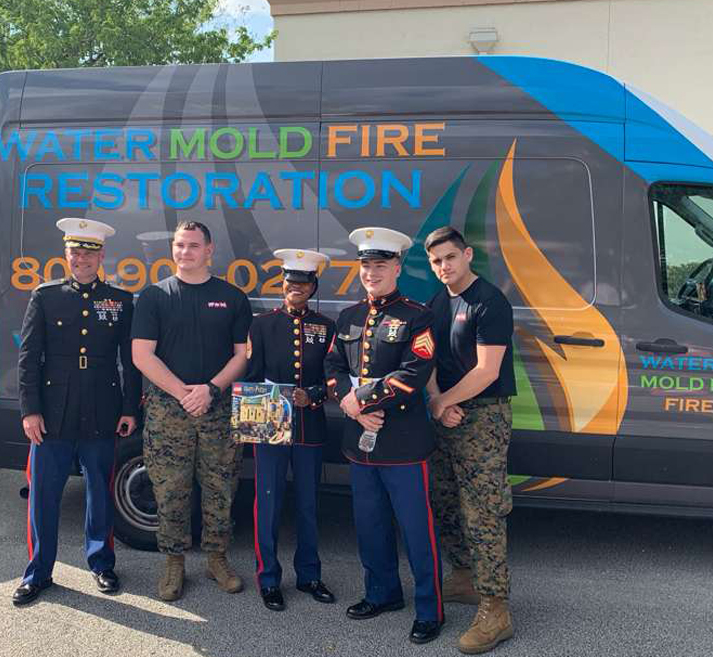
 Community & Military Support